September is emergency preparedness month. I use it as a reminder each year to go through my emergency supplies. I make sure everything is stocked and rotated. This year is especially eye opening given that we lived through our first tornado (touchdown 2.5 miles from our house), multiple tornado warnings, and ongoing attacks from the neighbors that result in physical injuries.
When I went through the emergency supplies this year, I took a hard look at what worked, what didn’t work, and what is practical given a true emergency. To my surprise, I found that there were many things in our emergency stash that are unnecessary and a few essentials that are missing.
This post is not meant to be an exhaustive overview. It is also not going to be for everyone. Emergency preparedness looks different for people depending on family composition and life circumstances. However, I want to highlight some takeaways I have this year.
For reference, our family composition is one adult with multiple food allergies and a disability and three cats.
In the past, we have had a blizzard bag. A blizzard bag is a bag of supplies to help us get through 4-5 days of sheltering in place. We have huge snowstorms where I live. While raising our taxes, officials have cut back on essential service such as snowplowing. In large snowstorms, we are often cut off from town for 4-5 days at a time. The snow is so deep that we do not even have mail service. The fire department uses snowmobiles to check on people.
Our blizzard bag is now called a tornado tote. The tornado tote is full of supplies to last us 48 hours. The tornado tote is easy to pick up and carry into the basement when a tornado comes.
The tornado tote normally lives in the emergency wagon behind our front door. The emergency wagon contains supplies for up to 10 days. The thought process behind the emergency wagon is three-fold.
First, the emergency wagon helps us to shelter in place. If there is blizzard and we are cut off from town, all the supplies we need for 10 days are in the emergency wagon. It is in a central location. I know it has what we need without having to search all over the house for stuff.
Second, the emergency wagon is essential if we need to evacuate and can leave by car. In this case, I know that everything we need for 10 days is in the wagon. All I must do is take everything out of the wagon, throw it into the trunk of the car, and off we go. Again, everything is together in a central location. There is no running around the house searching for things or trying to figure out what we need.
Third, the emergency wagon is essential if we need to evacuate and must leave on foot. The wagon contains everything we need for 10 days. It has a handle. I can pull the wagon. The wagon would also help me transport all 3 cats. I can place their cat carriers on top of /in the wagon. A wagon would make it easier for all of us to leave when there is one human with three cats.
This is the basic outline of our emergency plan. Now, for some specifics on this year’s lessons.
First off, I’m not going to lie, preparing for an emergency is expensive. The cost of groceries is expensive. It can be cost prohibitive to gather supplies for up to 10 days. One strategy I use to deal with this, is to try to add one day’s worth of supplies to your grocery list per month.
In this manner, it will take a year, but at the end of the year, you will have your emergency supply. As an example, I add one gallon of water to my grocery list each month. I have 12 gallons of water. I rotate the gallons of water every month. As we have seen with the recent hurricanes, some people have gone without water for 2 weeks or more.
I also purchased LifeStraw. LifeStraw is small enough to put in our 48-hour bag. I waited until there was an online sale to order it. LifeStraw will be helpful if we have to evacuate and there is not enough time to get all the water gallons into the car or wagon. For the record, there are 3 water gallons in the emergency wagon. The rest of the water gallons are beside the wagon.
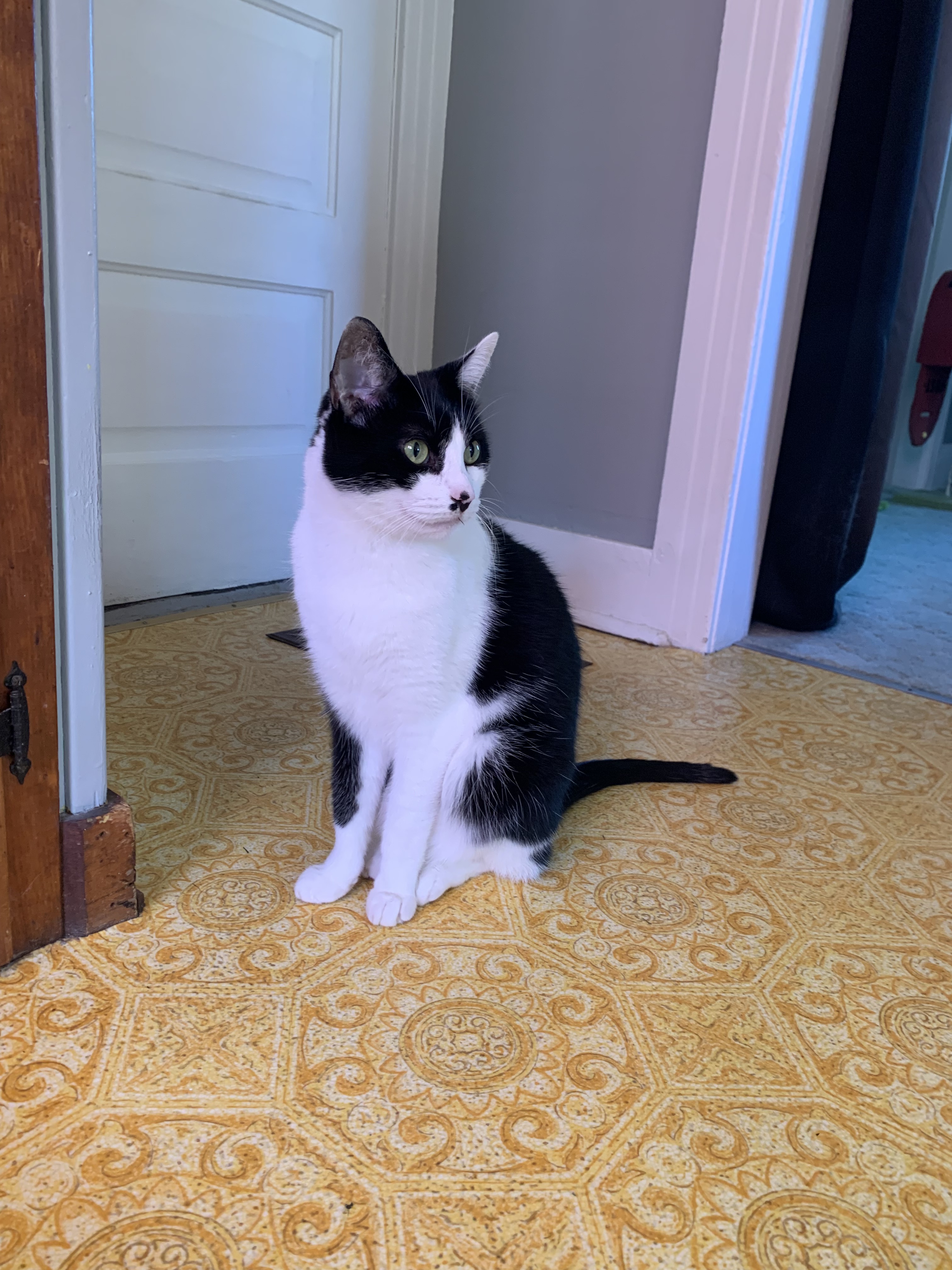
Second, prepare for your pets. In going through our emergency supplies last month, I found the cat harnesses and leashes. When Kip and Kitty were alive, they were both leash trained. Kip would walk on the leash like a dog.
However, Jude, Simon and Jolene are not leash trained. They have lived a pampered life compared to how things were when Kip and Kitty were alive. Jude and Simon will not allow me to put a harness on them at all. Jolene will let me put a harness on her, but she does the thing where she just flops over.
I can tell you right now, that if a cat will not wear a harness when they are relaxed and safe in their home, there is no way in hell you are going to get a harness on them in an emergency when everyone is stressed.
The harnesses and leashes are not practical. I took them out of the emergency supplies.
What is practical for cats are carriers and pillowcases.
We have a cat carrier for each cat and I have carriers that are medium, or one size larger than what people typically have for their cats. I do this for two reasons.
First, I believe a cat in a carrier should have enough room to turn around. If your cat cannot comfortably turn around in their carrier, then your carrier size is too small. Second, given that we are a family of three cats and one human, I cannot handle three carriers by myself comfortably. Worst case scenario, I must put two cats in one carrier. I can handle two carriers. There needs to be enough room for two cats. Granted, it will not be a comfortable fit, but we are talking about an emergency.
While I have not tried it, I have heard from other pet parents that pillowcases are essential. The idea is that you grab the cat and stuff them in the pillowcase to get them out when you can’t get the carrier. Again, I have not personally tried this. To me, it sounds like a nightmare. I can’t get a harness on my cat, and you think I am going to stuff him in a pillowcase? But I do have three pillowcases in event of emergency. I want to be prepared. I do not have experience with the pillowcase thing, but it comes recommended, and I want to be prepared for a true emergency.
As far as food and water bowls go, I got the collapsible kind that are used for dogs who travel. They are lightweight. Since they collapse, they do not take up much space in the emergency bag. I rotate the emergency food every year.
For the human, I have been able to save up to buy freeze dried foods (MREs). I got these from a backpacking/hiking/camping company that specializes in food that does not require cooking or heating, just water to rehydrate. Again, these are expensive up front. However, they have a shelf life of 25 years, so I do not have to rotate and replace the human food supplies every year. For the record, I have tried some of them to see how they taste, and I must say they are excellent.
There is a lot more I could talk about that goes into our plans and supplies for emergency preparedness. However, this year I just want to highlight the lessons I learned about the cat harnesses and the tornado tote. Given that we are living in an ongoing emergency, there is a lot to prepare. If you spread the cost out over the course of a year, it can be done even on a budget.
When we had the tornado this year, it was the first time a tornado has ever touched down here in almost 200 years. Tornadoes are not normal. Yet, we had multiple warnings this past summer. All sort of weather records is being broken every day.
I would not say that I am a prepper. I am realistically prepared. Eleven months out of the year, the emergency wagon sits there, and I don’t think about it. When the tornado warnings go off, I grab the tornado tote and we all head to the basement. When we are snowed in for a blizzard, I know that if I run out of things, the emergency supply is there to sustain us if we need it.
Be sure to include your pets in your emergency plan. Be realistic based on their needs and personalities. Pets are family. If you evacuate, take your pets with you.
 rewindliveslow